
Product Description
About the Totapuri Mango Plant
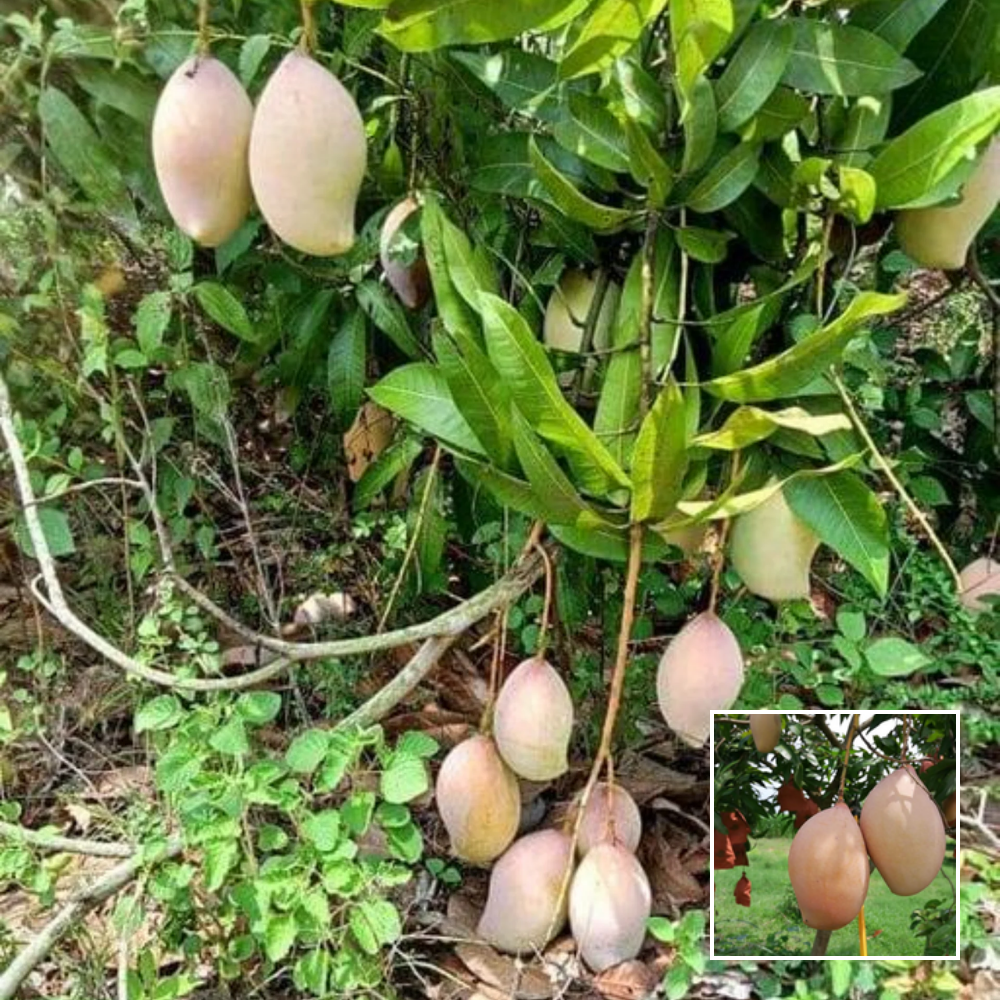
Totapuri takes its name from its curved, beak-like tip — “tota” meaning parrot in Hindi — and is one of South India’s most commercially significant mango varieties, grown extensively across Andhra Pradesh, Karnataka, and Tamil Nadu. Unlike dessert mangoes bred primarily for sweetness, Totapuri has built its reputation on firm, tangy, fibre-free flesh that performs exceptionally well in processing, making it the backbone of much of India’s mango pulp and pickle industry.
Learn more about Mango on Wikipedia.
Appearance & Flavour
The fruit is medium to large, oval with a distinctive curved beak at the blossom end, and ripens to a yellow-green skin often with a rosy blush. The flesh stays notably firm even at full ripeness, with minimal fibre and a tangy, tart-forward flavour that is less sweet than dessert varieties like Alphonso or Kesar — exactly the profile that makes it so useful in savoury and preserved preparations.
Growing Conditions in India
Totapuri is well adapted to hot, dry conditions and tolerates heat better than many softer mango varieties, making it a reliable choice across much of the Indian mainland. It wants full sun and deep, well-drained soil, and unlike more delicate fruit trees, it copes reasonably well with the kind of dry spells common across the Deccan plateau and similar regions.
Planting Guide
Allow 8–10 metres of space when planting in open ground, since mango trees eventually develop a broad, spreading canopy. Dig a generous planting hole enriched with well-rotted organic matter, and stake young trees against strong wind until the root system establishes. Container growing is possible while the tree is young but is best treated as a temporary arrangement before eventual transplanting.
Watering & Feeding
Water regularly while the tree is young and establishing, then reduce frequency as it matures — mango trees, including Totapuri, actually set fruit more reliably after a defined dry spell ahead of flowering, so avoid heavy watering through that period. Feed with organic manure before the flowering season to support strong fruit set.
Pruning & Common Problems
Light pruning after harvest keeps the canopy open and productive, removing dead or crossing wood. Mango trees generally, including this variety, can be susceptible to fruit flies and powdery mildew in humid conditions; timely harvesting and good airflow through pruning both help keep these in check.
Harvest & Culinary Uses
Because it is grafted, this tree fruits years earlier than one grown from seed. Totapuri stays tangy and firm even fully ripe, which is precisely why it is the mango of choice for pickle-makers, chutneys, and the mango pulp used in juices and desserts across South Indian kitchens — it holds its shape and sharpness where sweeter mangoes would turn soft and cloying.
Frequently Asked Questions
Is Totapuri good for eating fresh, or only for pickles?
It can be eaten fresh, but its firm, tangy, less-sweet flesh is generally preferred for pickles, chutneys, and pulp rather than as a straightforward dessert mango — that is exactly the role it plays in most South Indian kitchens.
How is Totapuri different from Alphonso or Kesar?
Totapuri is notably firmer, more fibre-free, and more tart even at full ripeness, while Alphonso and Kesar are bred primarily for rich sweetness and aroma as dessert mangoes — the two types serve different culinary purposes rather than competing directly.
How soon will a grafted Totapuri plant fruit?
Grafted mango plants generally begin fruiting within 3–4 years of planting under good care, far sooner than the 6–8 years or more a seed-grown mango tree typically needs.
Related Plants You Might Like
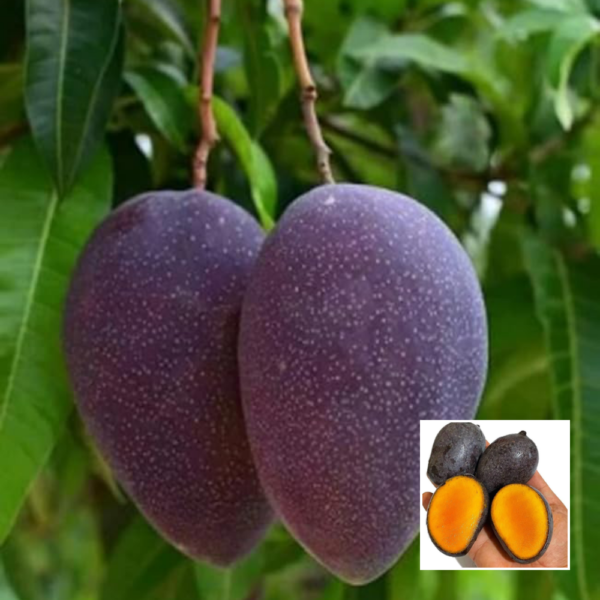
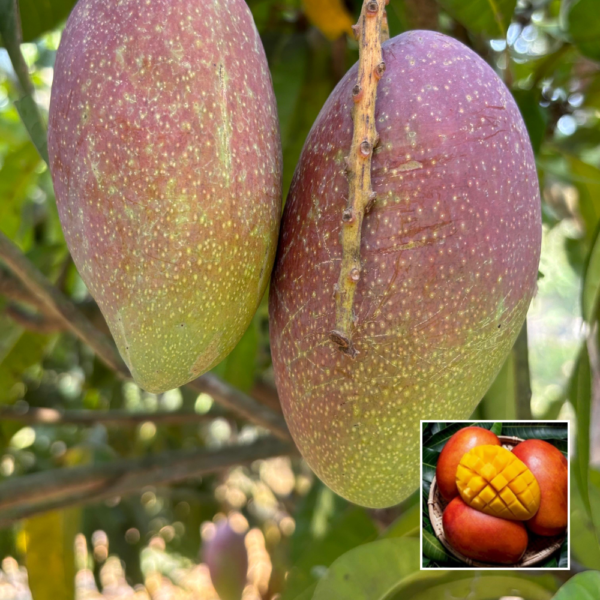
Explore more Mango Plants from Green Glow Nursery, including the Blue Purple Mango – Exotic Plant and Sindhu Seedless Mango – Exotic Plant.
Why Choose a Grafted Totapuri from Green Glow Nursery
Grafting means this plant reliably produces true Totapuri fruit and begins fruiting far sooner than a seedling tree, which can otherwise take the better part of a decade to bear its first mango. Every plant is nursery-grown, quality-checked, and delivered across India with our standard health guarantee.
What's inside the Box?
- 1 live plant, root ball intact
- Nursery bag with growing media
- Care and planting instructions
You may also like
 27% OFF
 33% OFF
 28% OFF
 28% OFF
Reviews