
Product Description
About the Black Sapota Plant
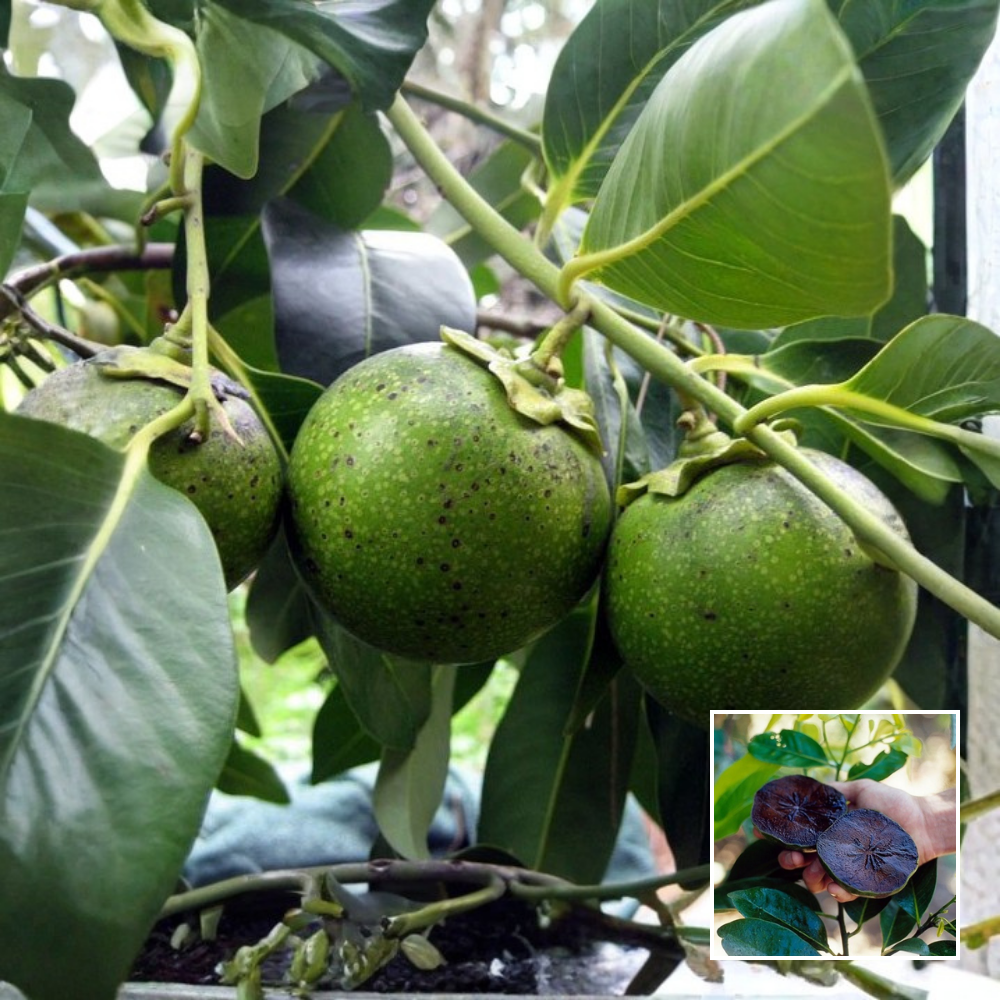
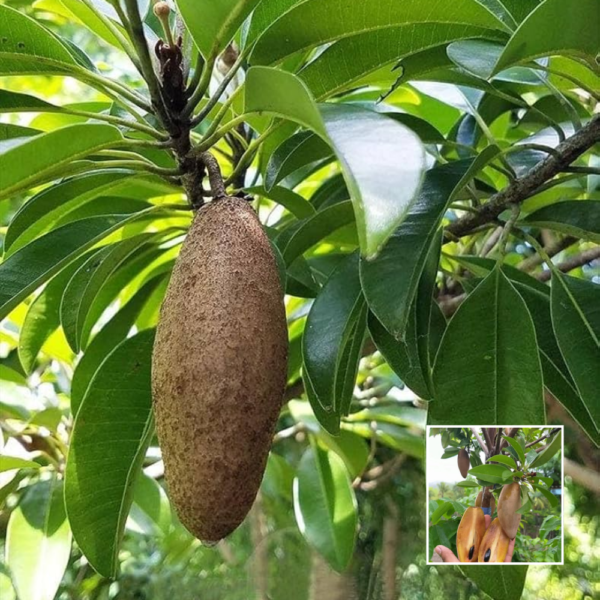
Black Sapota (Diospyros nigra, also known as Diospyros digyna) is native to Mexico and Central America and belongs to the same botanical family as persimmon, though the resemblance stops at the family tree. Green-skinned even at full ripeness, it hides a soft, dark brown-to-black pulp so close in colour and texture to chocolate pudding that the fruit has earned that exact nickname across the regions where it is grown and enjoyed.
Learn more about Sapodilla on Wikipedia.
Appearance & Flavour
The fruit is round to oval, roughly tomato-sized, with smooth green skin that gives no visual hint of the dark surprise inside. Once fully ripe, the flesh turns soft, glossy, and deep brown-black, with a mild, sweet flavour and a texture genuinely similar to a rich pudding or mousse — unlike almost any other fresh fruit, it is typically eaten with a spoon rather than by hand.
Growing Conditions in India
Black Sapota wants warm, humid, tropical conditions and full sun, broadly similar to the needs of other Diospyros relatives grown in India. It tolerates a range of soils as long as drainage is reasonable, and once established, it is a fairly resilient, low-fuss tree for warmer regions of the country.
Planting Guide
Allow 5–6 metres of space in open ground for a mature tree, in a warm, sheltered position with full sun exposure. Enrich the planting hole with organic matter, and stake young plants against wind until well rooted; container growing suits the plant while young but it eventually prefers open ground.
Watering & Feeding
Water regularly while young, tapering to normal watering as the topsoil dries once the tree is established. Occasional feeding with organic compost supports steady growth, and the tree generally asks for little beyond consistent moisture and an annual feed.
Pruning & Common Problems
Light pruning helps maintain a manageable, well-shaped canopy. Black Sapota is not particularly prone to serious pest problems in most Indian conditions, though like other soft-fleshed fruit, ripe fruit left too long on the ground can attract fruit flies, so timely harvesting helps.
Harvest & Culinary Uses
The key with Black Sapota is patience after picking — the fruit looks and feels firm and green even when mature, and only becomes edible once it softens fully off the tree, much like a persimmon does. Once soft, scoop out the pudding-like pulp with a spoon and eat it plain, or blend it into shakes, mousses, and chilled desserts where its natural sweetness needs very little help.
Frequently Asked Questions
How do I know when Black Sapota is ready to eat?
The fruit must soften considerably after picking, similar to a persimmon — a firm, green fruit is not yet ripe even if it has reached full size.
Does Black Sapota taste like persimmon?
Not really — despite being related, the flavour and texture are much closer to a mild chocolate pudding than to the honeyed, more fibrous character of a ripe persimmon.
Can Black Sapota be grown in a container?
Yes while young, though it will eventually do best transplanted into open ground as it matures into a full-sized tree.
Is Black Sapota related to regular sapota (chikoo)?
No — despite the similar name, Black Sapota is a different genus entirely from chikoo, related instead to persimmon.
What is the best way to eat Black Sapota?
Most people simply cut it in half once fully soft and scoop out the pulp with a spoon, though it also blends beautifully into smoothies, chilled mousses, and even folded into whipped cream for an easy dessert with no added chocolate needed.
Does Black Sapota have any nutritional benefits?
It is a reasonable source of vitamin C and dietary fibre, and its natural sweetness means desserts made with it typically need far less added sugar than those relying on cocoa.
Related Plants You Might Like
Explore more Chikoo (Sapota) Plants from Green Glow Nursery, including the Red Chiku (Sapota) – Fruit Plants and Kalapati Chiku(Sapota) – Exotic Plants.
Why Choose a Grafted Black Sapota from Green Glow Nursery
A grafted Black Sapota fruits sooner and more reliably than a seed-grown tree, taking the guesswork out of raising this distinctive fruit. Every plant is nursery-raised and delivered across India with our standard health guarantee.
What's inside the Box?
- 1 live plant, root ball intact
- Nursery bag with growing media
- Care and planting instructions
You may also like
 28% OFF
 21% OFF
 36% OFF
 36% OFF
Reviews