
Product Description
About the Five Finger Anjeer Plant
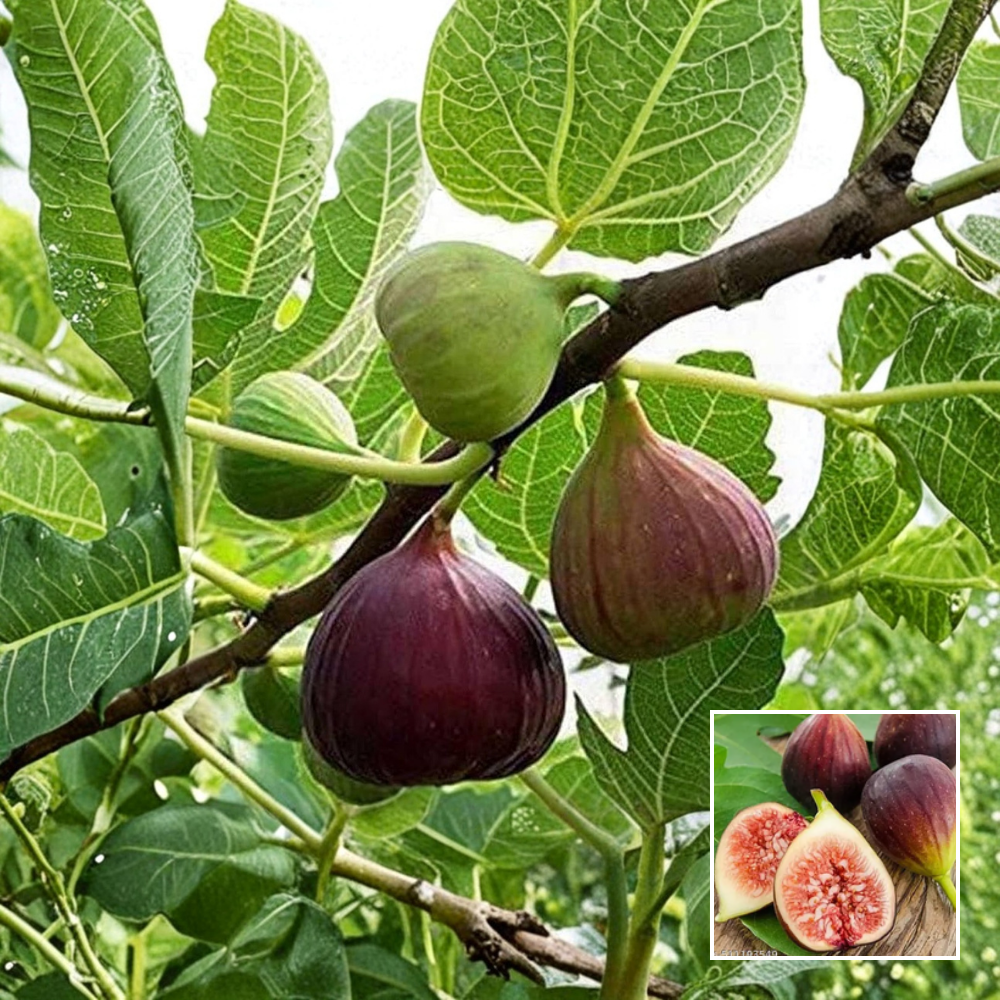
Five Finger Anjeer is a fig (Ficus carica) cultivar named for its deeply lobed leaves, which split into finger-like segments quite unlike the rounder, less-divided leaves of many other fig varieties. Figs themselves are among the oldest cultivated fruits in human history, with a cultivation record stretching back thousands of years across the Mediterranean and Middle East, and this variety carries the same soft, jammy sweetness figs are loved for worldwide.
Learn more about Fig on Wikipedia.
Appearance & Flavour
The tree is a large, attractive deciduous shrub or small tree with the characteristic broad, hand-shaped leaves that give this variety its name, offering ornamental value even outside the fruiting season. The fruit itself is teardrop-shaped with soft, thin skin in shades from green to purplish-brown depending on ripeness, enclosing a sweet, richly flavoured interior packed with tiny edible seeds.
Growing Conditions in India
Figs are naturally well suited to Indian conditions across most of the country — they want full sun, tolerate heat comfortably, and actually prefer soil on the leaner, well-drained side rather than rich, constantly moist ground, which can encourage excess leafy growth at the expense of fruit. Established plants handle short dry spells without much difficulty.
Planting Guide
Allow 3–4 metres of space in open ground for a mature fig, or use a large container of at least 45 cm diameter for terrace growing, where figs generally perform very well due to their tolerance of some root restriction. Choose the sunniest available position for best fruiting.
Watering & Feeding
Water regularly while the plant is young and establishing, then reduce frequency once roots are deep, watering more generously only during active fruiting and hot weather. Feed lightly with organic compost during the growing season, avoiding excessive nitrogen which favours leaves over fruit.
Pruning & Common Problems
Figs are self-fertile and need no pollinator, so a single plant reliably sets fruit on its own without any special arrangements. Prune after harvest to control size and shape; fig rust and occasional fruit-fly interest in ripening fruit are the main issues, both manageable with good airflow and timely picking.
Harvest & Culinary Uses
In favourable conditions, fig trees can produce two flushes of fruit a year — an early breba crop on old wood and a larger main crop later in the season. Fruit is ripe when it softens and droops slightly on the stem. Eat fresh, dry for storage, or use in jams, baking, and traditional anjeer preparations.
Frequently Asked Questions
Why are the leaves called “five finger” shaped?
The leaves are deeply lobed into segments that fan out like fingers on a hand, a more pronounced division than the leaves of many other common fig varieties.
Do fig trees need a partner plant to fruit?
No — common fig varieties, including this one, are self-fertile and set fruit reliably with just a single plant.
How quickly does a grafted fig plant start fruiting?
Often within the first one to two years, making figs one of the quicker-fruiting trees available.
Can figs be grown in cooler North Indian winters?
Yes — figs are deciduous and tolerate a range of winter conditions across India reasonably well, simply dropping their leaves and resting through the coldest months before resuming growth in spring.
What is the best way to use fresh anjeer besides eating it raw?
Beyond eating it fresh, ripe fig can be halved and lightly grilled or roasted with a touch of honey, stirred into yoghurt, or simmered down into a jam — its natural sweetness means it needs very little added sugar in any of these preparations.
Related Plants You Might Like
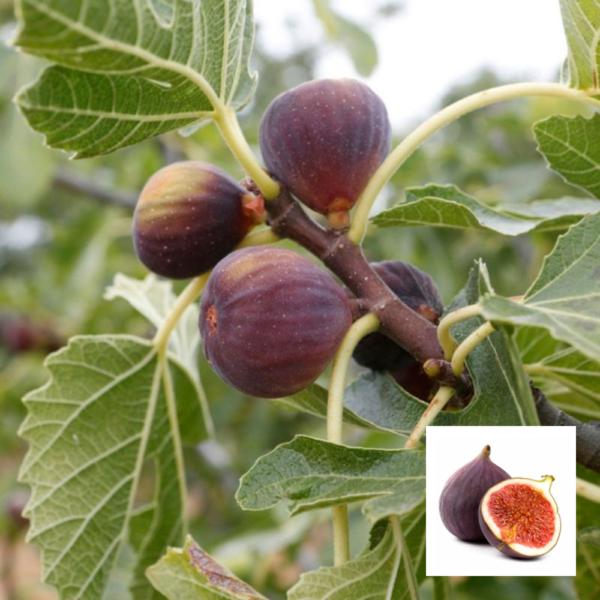
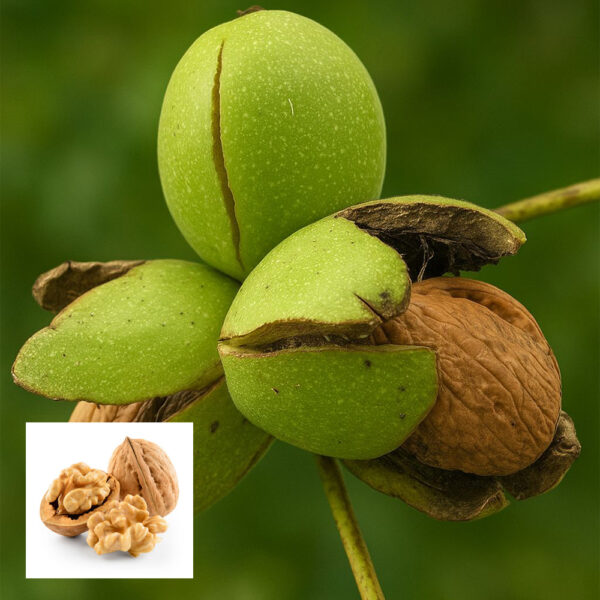
Explore more Dryfruit Plants from Green Glow Nursery, including the Walnut (akhrot) – Grafted Plant and Diana Anjeer – Exotic Plant.
Why Choose a Grafted Five Finger Anjeer from Green Glow Nursery
A grafted fig plant reproduces the exact fruit quality of its parent tree and starts fruiting far sooner than one grown from a cutting or seed of unknown origin. Every plant is nursery-raised and delivered across India with our standard health guarantee.
What's inside the Box?
- 1 live plant, root ball intact
- Nursery bag with growing media
- Care and planting instructions
You may also like
 29% OFF
 44% OFF
 29% OFF
Reviews