
Product Description
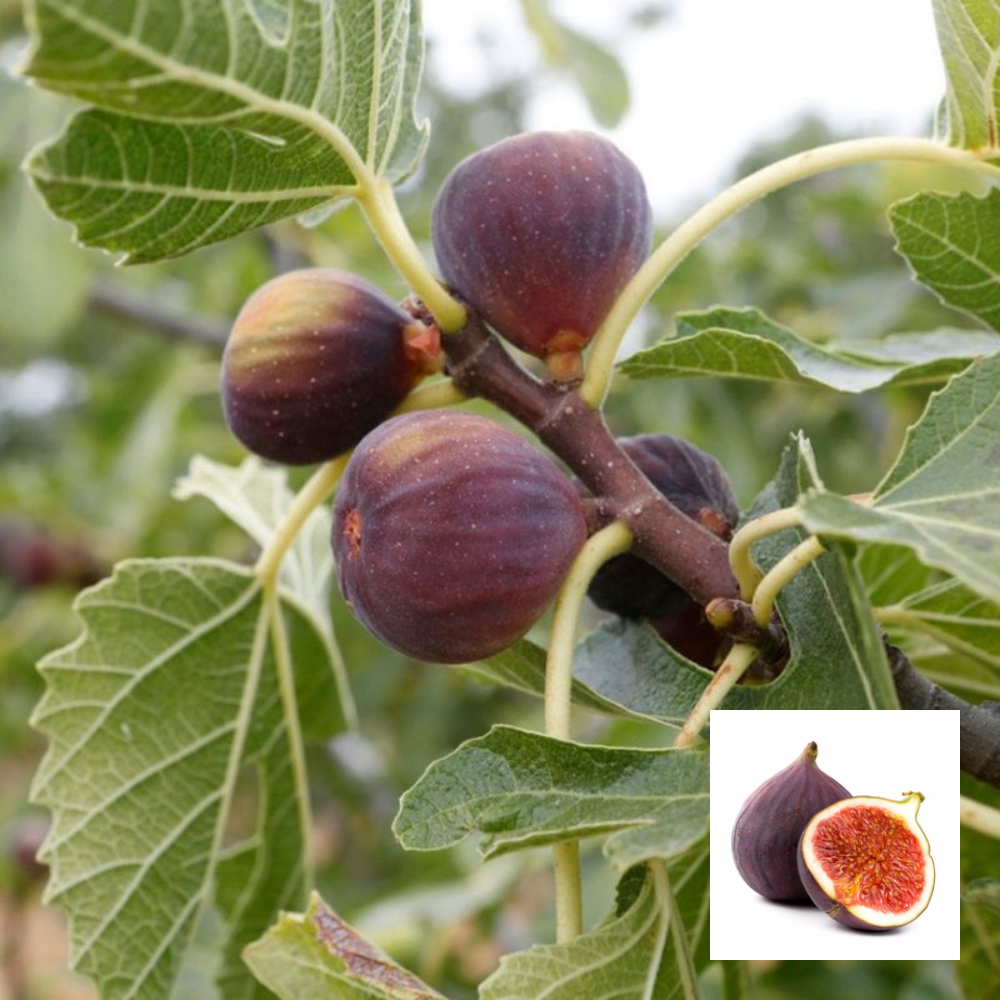
Diana Anjeer Plant (Ficus carica ‘Diana’) – Buy Rare Indian Fig Trees Online | Green Glow Nursery
Learn more about Fig on Wikipedia.
SPECIAL CHARACTER OF DIANA ANJEER – Unlock the secret of ancient royalty right in your backyard with the legendary Diana Anjeer—a fig so luxurious it was once reserved for kings and medicine men! Unlike ordinary fruits, the Diana variety presents a botanical marvel: a hollow, pear-shaped syconium lined with hundreds of tiny, hidden flowers that mature into luscious, jam-filled treasure. The skin blushes a striking golden-yellow with violet undertones, concealing sumptuous amber flesh that drips with honey-like sweetness and hints of strawberry and melon. What makes this cultivar truly exceptional is its generous dual-harvest nature—producing an early “breba” surprise followed by a magnificent main crop, ensuring your pantry overflows with sun-dried delicacies, preserves, and farm-fresh feasts for months. Whether you’re cultivating for commercial profit in arid landscapes or seeking a statement specimen that whispers Mediterranean elegance, this drought-defying survivor transforms challenging soils into goldmines of nutritious sweetness.
Botanical Profile – Known scientifically as Ficus carica (cultivar ‘Diana’) and belonging to the Moraceae (mulberry) family, this ancient wonder carries the evocative Hindi name Anjeer alongside monikers like Common Fig, Edible Fig, and Phalgu. Unlike showy bloomers, this tree performs nature’s most intimate magic trick—concealing its delicate white flowers within the developing fruit itself, creating a self-contained universe that matures into succulent perfection without external pollination. Native to the arid Middle East and naturalized across Indian subcontinents, the Diana variety represents generations of selective breeding for superior fruit size, sweetness, and reliable bearing in semi-arid conditions.
MAXIMUM HEIGHT – Reaches 9–10 meters (30 feet) at full maturity in optimal conditions, though prudent pruning maintains a manageable 3–5 meters for home orchards. Container cultivation naturally restricts height to 2–3 meters while maintaining generous productivity.
BLOOMING CYCLE – Nature’s hidden spectacle unfolds continuously within the developing fruit! The Diana fig produces two distinct floral waves: the first (breba crop) forms on previous year’s wood during late autumn and winter, blooming internally from March to April; the second (main crop) emerges on new spring growth, flowering from May to June. Each syconium houses a secret garden of tiny florets that mature into the velvety flesh we treasure—no bees required for this self-fertile marvel!
FRUITING TIMELINE – Your patience harvests dividends remarkably quickly! Grafted Diana specimens typically bear their first sweet bounty within 1–2 years after purchase, while seed-grown trees may take 3–5 years. Expect the breba harvest to grace your table from late May through June, followed by the main crop ripening from August through October (February–June in tropical Indian climates). Individual fruits mature 70–130 days after formation, ripening continuously for extended picking pleasure. A mature tree yields 10–15 kg annually, with commercial orchards harvesting 18+ kg per tree after the eighth year.
EXPERT GROWING TIPS FROM GREEN GLOW NURSERY
Climate Compatibility – Thrives in subtropical to tropical arid zones (USDA 7–11), laughing at heat up to 45°C while shrugging off brief chills to -7°C. Deciduous in cooler winters, evergreen in true tropics. Ideal growing temperatures range 15°C–35°C with plenty of sunshine.
Container Guidelines – Minimum 25×25 inch pots (50+ gallons preferred) with exceptional drainage holes. Use premium potting mix with 30% coarse sand or perlite. Root prune every 2–3 years to maintain vigor in confined spaces.
Planting Calendar – Establish bare-root specimens during dormancy (late winter/early spring); container-grown trees transplant anytime avoiding peak summer stress. In India, monsoon planting (June–July) ensures establishment before dry seasons.
Soil Secrets – Astonishingly adaptable to marginal soils including sandy, rocky, and even moderately saline conditions where other fruits fail. Optimal pH ranges 6.0–8.0 (neutral to slightly alkaline). Heavy clay or waterlogged sites spell disaster—prioritize drainage above all else!
Water Wisdom – Master the “soak and dry” rhythm: provide ample moisture during spring fruit development, then significantly reduce after fruit set to concentrate sugars. Young trees need consistent hydration; established specimens survive 6+ months drought but produce best with weekly deep irrigation during cropping. Never waterlog—figs detest “wet feet”!
Nutrition Schedule – Apply balanced organic fertilizers (8-8-8 or 10-10-10) monthly from bud break through July, tapering off as fruits mature. For potted specimens, use slow-release granules or liquid feeds every 4–6 weeks during active growth. Emphasize calcium and potassium during fruiting phases to prevent splitting and enhance sweetness. Apply 5–10 kg well-rotted manure annually, keeping fertilizers 45–90 cm from the trunk.
Pruning for Productivity – Conduct heavy pruning during dormancy (winter) to stimulate new fruiting wood and maintain open vase shape. Remove dead wood, crossing branches, and interior clutter to maximize sunlight penetration. For containers, tip-prune actively growing shoots to encourage bushiness and manageable height.
Harvest Hints – Figs won’t ripen after picking—patience is key! Wait until fruits soften slightly and droop downward, developing cracks near the eye. Harvest gently to avoid milky sap contact with skin. Net trees if birds discover your bounty first!
Ready to cultivate this ancient treasure? Shop rare Diana Anjeer fig trees online at Green Glow Nursery and enjoy doorstep delivery of this royal delicacy—your gateway to year-round Mediterranean sweetness!
Related Plants You Might Like
Explore more Dryfruit Plants from Green Glow Nursery, including the Sweet Almond – Exotic Plants and Walnut (akhrot) – Grafted Plant.
What's inside the Box?
- 1 live plant, root ball intact
- Nursery bag with growing media
- Care and planting instructions
You may also like
 26% OFF
 36% OFF
 44% OFF
 29% OFF
Reviews