
Product Description
About the Cat Eye Fruit Plant
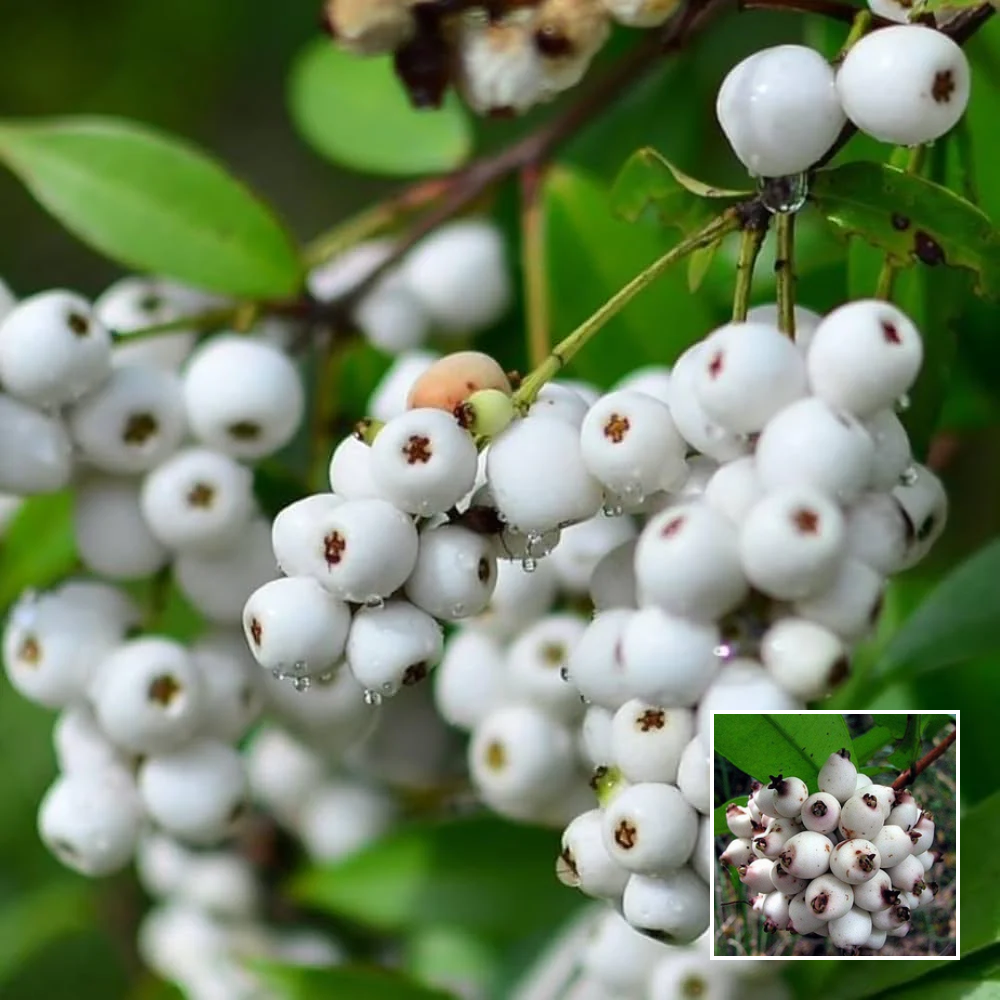
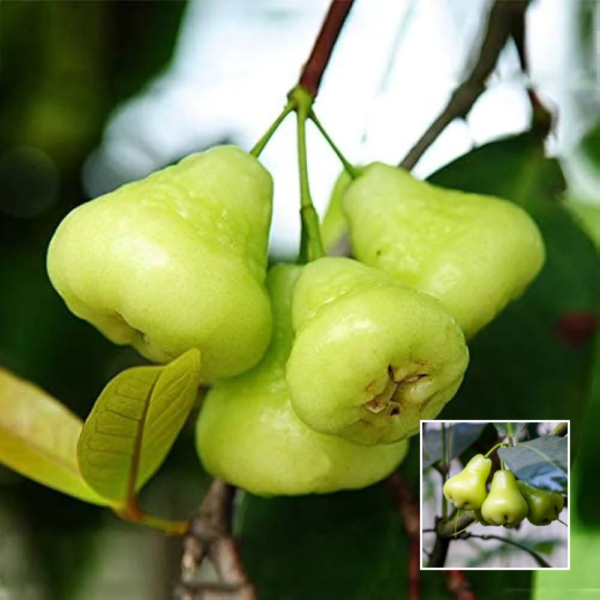
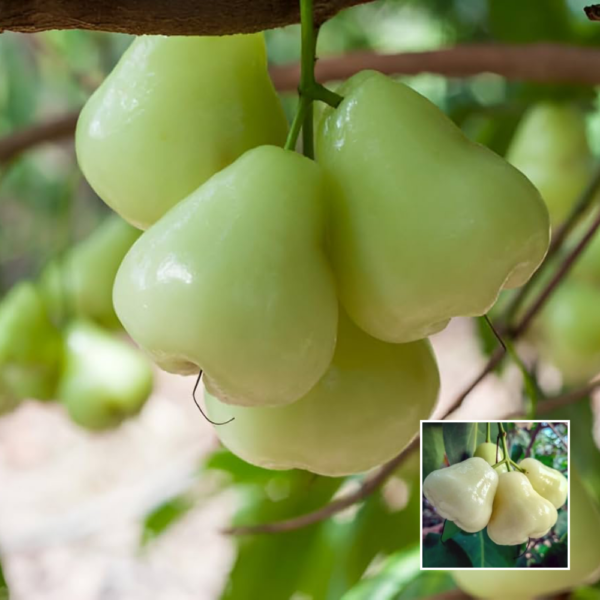
Cat Eye Fruit (Syzygium zeylanicum) takes its name from the small, round, glossy fruit it produces, said to resemble a cat’s eye or a small marble when viewed up close. It belongs to the same broad family as guava, jamun, and the water apple, and shares that family’s characteristic crisp, watery texture, here paired with a mild, gentle sweetness and an attractive, ever-fruiting habit that keeps the small tree productive across much of the year.
Learn more about Syzygium on Wikipedia.
Appearance & Flavour
The plant is a compact, glossy-leaved shrub or small tree, producing small, round fruit that ripens to a deep, glossy red or near-black colour depending on conditions. The flesh is crisp and juicy with a mild sweetness, less intensely flavoured than many other fruits on this list but pleasant and refreshing, especially when eaten chilled straight from the tree on a hot day.
Growing Conditions in India
Like its water-apple relatives, this is a genuinely tropical plant that wants full sun to partial shade and adapts well to India’s warm, humid regions. It tends to flower and fruit repeatedly through the growing season rather than in one defined burst, which also makes it a genuinely useful plant for supporting local pollinators throughout the year.
Planting Guide
Allow around 3–4 metres of space in open ground for this compact tree, or grow it in a large container of at least 40 cm diameter for terrace or courtyard planting, where its ornamental, glossy foliage and repeated flowering are a real asset even between fruiting flushes.
Watering & Feeding
Keep soil evenly moist, as this plant — like others in the Syzygium family — does not tolerate prolonged drought particularly well. Regular watering through warm weather supports both steady flowering and crisp, well-formed fruit, while light feeding with organic compost a couple of times a year keeps growth steady.
Pruning & Common Problems
Light shaping after a fruiting flush keeps the compact tree tidy and encourages fresh growth for the next round of flowers. The plant is generally trouble-free, with good watering practice solving most issues that arise before they become serious.
Harvest & Culinary Uses
Fruit is ready to pick once it is fully coloured and glossy. Eat it fresh off the tree for its crisp texture and mild sweetness — it is best enjoyed simply, the way most of its water-apple relatives are, rather than cooked or processed into other preparations.
Frequently Asked Questions
Is Cat Eye Fruit the same as longan, despite the similar nickname?
No — while longan is sometimes informally called “cat’s eye fruit” in some regions, this plant is a completely different species in the Syzygium genus, related to guava and water apple rather than to longan.
How often does Cat Eye Fruit produce a harvest?
It tends to flower and fruit repeatedly through the growing season rather than in a single defined crop, giving a more staggered, ongoing harvest.
Is Cat Eye Fruit good for a small garden or terrace?
Yes, its compact size and tolerance for container growing make it well suited to smaller spaces.
Does Cat Eye Fruit have any particular culinary uses?
It is mostly eaten fresh rather than cooked, valued for its crisp texture and refreshing quality rather than as an ingredient in other dishes.
Can Cat Eye Fruit be grown alongside guava or jamun in the same garden?
Yes, since it shares similar growing needs with its Myrtaceae family relatives, it fits comfortably into a garden already growing guava, jamun, or water apple.
Related Plants You Might Like
Explore more Water Apple Plants from Green Glow Nursery, including the Bali Chamba Water Apple – Exotic Fruit and Jambu King Kong Water Apple – Grafted Plant.
Why Choose a Cat Eye Fruit Plant from Green Glow Nursery
This is a genuinely low-maintenance, repeat-fruiting addition to any warm Indian garden. Every plant is nursery-raised and delivered across India with our standard health guarantee.
What's inside the Box?
- 1 live plant, root ball intact
- Nursery bag with growing media
- Care and planting instructions
You may also like
 38% OFF
 31% OFF
 25% OFF
 39% OFF
Reviews