Velvet Apple – Exotic Plant
100+ bought last month
₹765.00 Original price was: ₹765.00.₹570.00Current price is: ₹570.00.
Free Shipping
10-Day replacement
Delivers in 7-Days
Get 10% off on a purchase of ₹1500+
Get 20% OFF on a purchase of ₹3500+
We assure you to replace damaged or lifeless plant for free.
It is grafted!
Assured fruiting within 12-15 months.
Product description
Velvet Apple Plant (Diospyros blancoi) – Buy Rare Mabolo Trees Online | Green Glow Nursery
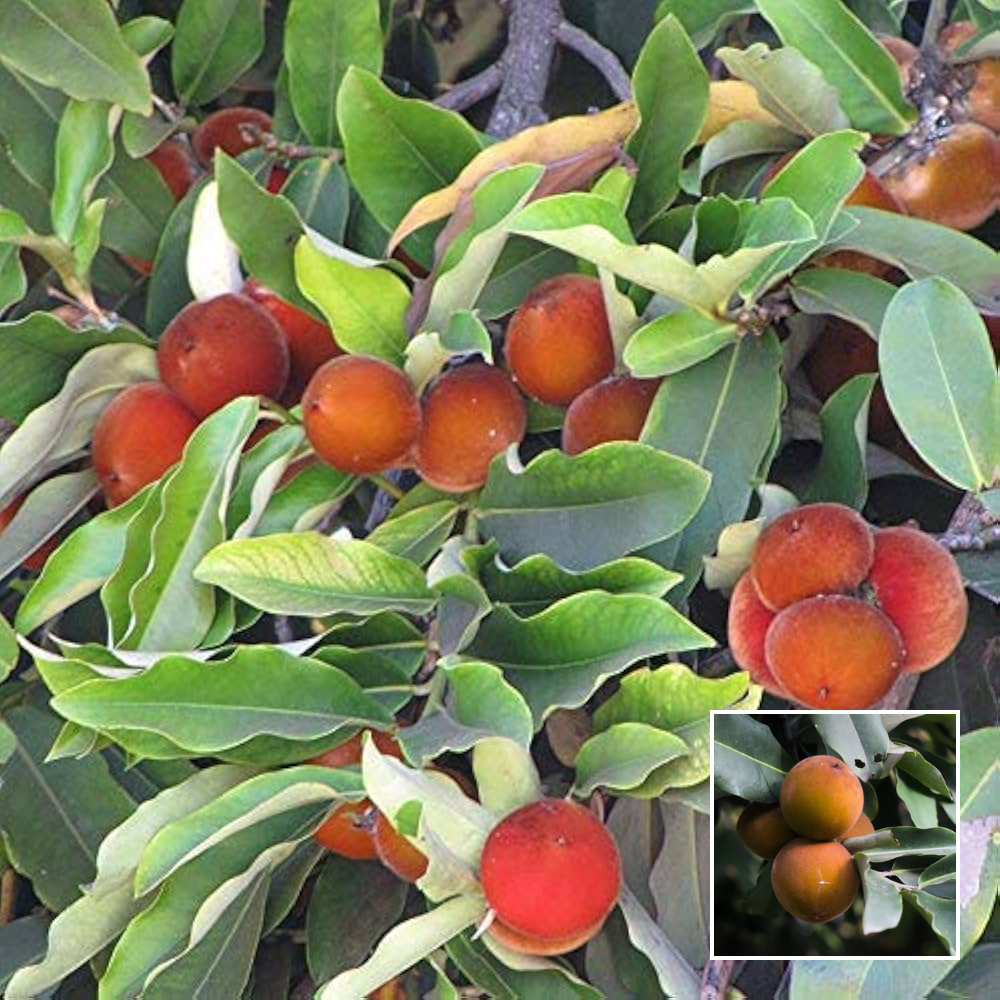
SPECIAL CHARACTER OF VELVET APPLE – Prepare for one of the most paradoxical sensory experiences in the tropical fruit world! The Velvet Apple enchants with its contradiction—a fruit that looks like a coppery-brown peach dipped in velvet, yet releases an aroma that divides enthusiasts into passionate camps. The skin wears a dense coat of golden-brown fuzz that feels like living velvet to the touch, concealing creamy-white flesh that delivers the unexpected flavor fusion of banana custard and overripe apple with a honeyed sweetness that intensifies as it softens. What makes this Philippine treasure truly precious is its transformative nature—that “cheese-like” scent emanates only from the skin, vanishing completely when peeled to reveal mild, aromatic flesh that becomes sublime when chilled. Whether you’re cultivating this slow-growing aristocrat for its jet-black ebony timber (prized for Ming dynasty furniture), harvesting the strangely beautiful fruits that dangle in pairs like exotic ornaments, or simply admiring the pink-flushed new growth against glossy emerald leaves, this wind-defying giant brings a piece of ancient Filipino heritage to your garden.
Botanical Profile – Known scientifically as Diospyros blancoi (synonym D. discolor) and belonging to the Ebenaceae (ebony) family, this evergreen marvel carries evocative names across Southeast Asia: Mabolo, Kamagong, Butter Fruit, and Mao Shi. The tree performs a fascinating reproductive strategy—producing urn-shaped, waxy creamy-white flowers with four lobes, where male blooms cluster in groups of 3–7 while solitary, larger female flowers appear on separate trees (dioecious). Native to the primary and secondary rainforests of the Philippine archipelago from Luzon to Sulu, this species has journeyed to Taiwan, Java, Malaysia, and India to become a cherished backyard tree valued equally for its fruit and its legendary jet-black timber.
MAXIMUM HEIGHT – Reaches 7–15 meters (23–50 feet) under ideal tropical conditions, with exceptional specimens touching 18–33 meters (60–100+ feet) in native Philippine forests. However, this slow-growing aristocrat responds beautifully to container culture and selective pruning, maintaining a manageable 2.5–4 meters for home gardens. The crown naturally forms an elegant conical or oval shape with horizontal branching.
BLOOMING CYCLE – Your Velvet Apple awakens to reproduction with subtle elegance! Flowering typically commences once trees reach maturity, with the main blooming spectacle occurring during the warm months. The creamy-white, faintly fragrant urn-shaped blossoms emerge from leaf axils—males in clustered cymes, females standing solitary—creating a understated display that lasts several weeks. Being dioecious, you must plant both male and female trees within proximity for the magic of fruit set to occur.
FRUITING TIMELINE – Patience cultivates the most exotic rewards! Seed-grown specimens typically bear their first velvety treasures within 6–7 years after purchase, while grafted trees may fruit earlier. The transformation from delicate flower to harvest-ready globe spans approximately 4 months (120 days). In most tropical climates, expect your main bounty from June through September, though occasional fruits may grace the tree almost year-round once fully established. The fruits often appear in curious pairs on opposite sides of branches, creating perfect symmetry.
EXPERT GROWING TIPS FROM GREEN GLOW NURSERY
Climate Compatibility – Thrives strictly in tropical to warm subtropical zones (USDA 10–12), demanding consistent warmth between 24°C–32°C with high humidity. Mature specimens withstand light frost briefly down to -2°C (28°F); younger trees suffer damage at -1°C (30°F). This sun-worshiper requires minimum 6–8 hours of direct exposure daily for maximum fruit development and sugar concentration.
Container Guidelines – Minimum 25×25 inch pots (50+ gallons preferred) with exceptional drainage. Use rich, well-draining mix with 30% coarse sand or perlite to mimic its native forest conditions. Start young trees in smaller containers and upgrade every 2–3 years as this slow grower gradually expands. Root prune every 3 years to maintain vigor in confined spaces.
Planting Calendar – Establish during the warm, wet season when temperatures consistently exceed 24°C. In tropical zones, plant anytime avoiding the driest months. Space in-ground trees 8–10 meters apart to accommodate the spreading crown, and crucially—plant one male tree for every 3–5 female trees to ensure adequate pollination.
Soil Secrets – Flourishes in deep, fertile loamy soils ranging from slightly acidic to neutral (pH 5.5–6.5). Astonishingly adaptable to various soil types including sandy and rocky compositions, provided drainage is excellent—avoid waterlogged sites at all costs. Incorporate generous organic compost at planting to fuel this moderate feeder.
Water Wisdom – Young trees need consistent moisture—water deeply 2–3 times weekly during establishment to support the slow-growing framework. Mature specimens develop remarkable drought tolerance, requiring irrigation only during extended dry spells. The tree is surprisingly wind-resistant, even withstanding typhoons in its native Philippines.
Nutrition Schedule – Feed with balanced organic fertilizer (8-8-8 or 10-10-10) every 3–4 months during the growing season, applied 45–90 cm away from the trunk. As a slow-growing species, it benefits from light, frequent feeding rather than heavy applications. For potted specimens, use slow-release granules every 6 months.
Pruning for Productivity – Conduct minimal pruning—this tree naturally maintains an elegant form. Remove only dead, diseased, or crossing branches, and eliminate water sprouts to maintain the attractive conical silhouette. Prune during late winter or early spring before new growth emerges. Avoid heavy cutting that might stress this slow-growing specimen.
Pollinator Partnership – Critical: This tree is dioecious (separate male and female plants). Male trees produce clustered flowers but no fruit; females bear solitary flowers that develop into the velvety apples only when pollinated by nearby males. Bees and insects facilitate pollination—avoid pesticides during flowering to ensure successful fruit set.
Harvest Hints – Fruits ripen only on the tree and must be clipped (never pulled) when they reach full size and develop rich reddish-brown to copper coloration. The velvety skin will give slightly when pressed. Handle carefully to avoid bruising the delicate fuzz. Crucial preparation tip: Peel away the fuzzy skin (which carries the strong aroma) and refrigerate the flesh for several hours—the cheese-like scent dissipates completely, leaving only the mild, sweet, aromatic flesh reminiscent of banana-apple custard. Consume fresh, add to salads, or fry in butter as a unique vegetable side.
Ready to grow the most paradoxical fruit in the tropics? Shop rare Velvet Apple (Mabolo) trees online at Green Glow Nursery and enjoy doorstep delivery of this Philippine treasure—your gateway to ancient ebony timber and strangely exquisite, velvet-clad fruit!
Reviews
There are no reviews yet.