
Product Description
Black Paper (Black Pepper) Plant (Piper nigrum) – Buy Rare King of Spices Vines Online | Green Glow Nursery
Learn more about Black pepper on Wikipedia.
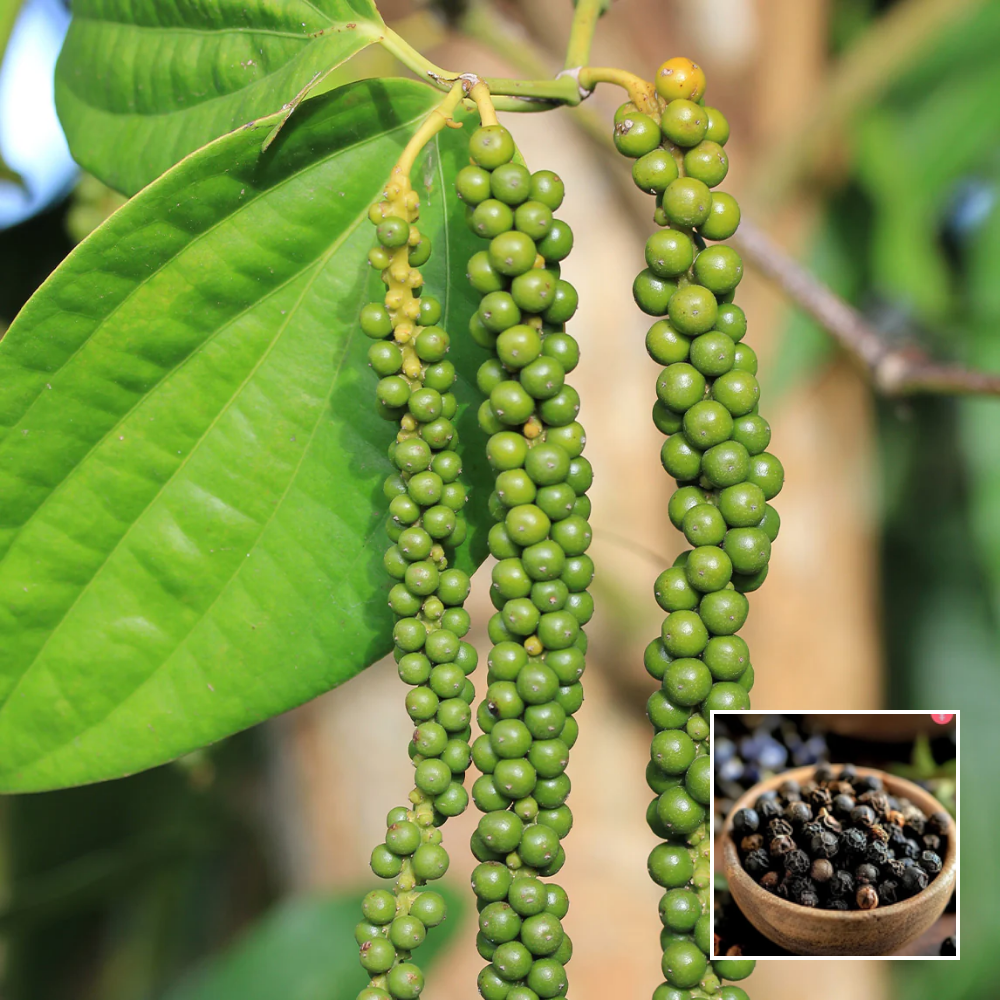
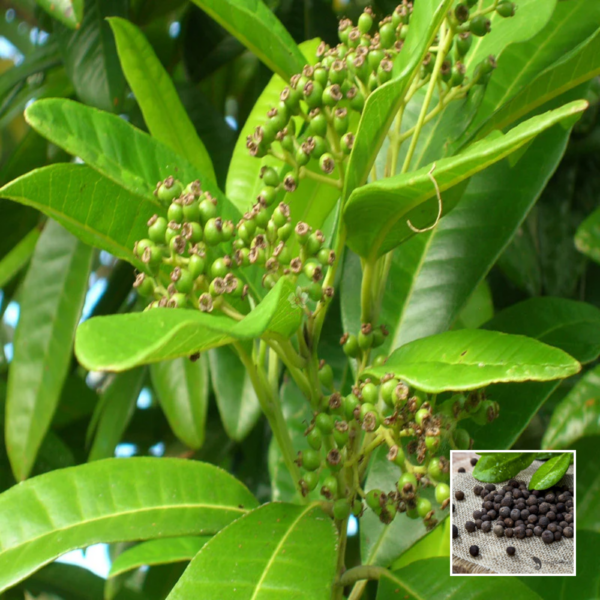
SPECIAL CHARACTER OF BLACK PAPER – Unleash the world’s most traded spice in your own tropical garden! The Black Pepper vine performs one of botany’s most elegant symphonies—a perpetual climber that transforms ordinary trees into pillars of gold, draping their trunks with hanging emerald chandeliers of peppercorns. Unlike ordinary fruits, this precious vine produces dense, pendulous spikes that mature from hard green beads into brilliant ruby-red jewels, each containing the singular compound piperine that has ignited global trade for millennia. What makes this cultivar truly regal is its dual-harvest potential—yielding both the immature green peppercorns for brining and the sun-blackened “black gold” that commands premium prices in spice markets worldwide. Whether you’re cultivating living standards that create vertical food forests, harvesting aromatic pepper spikes for homemade grinders, or simply admiring the prehistoric spectacle of lianas climbing toward filtered sunlight, this shade-loving vine transforms your landscape into a piece of living mercantile history.
Botanical Profile – Known scientifically as Piper nigrum and belonging to the Piperaceae (pepper) family, this perennial liana carries the evocative title King of Spices alongside monikers like Black Gold, Malabar Pepper, and Golmirch. The vine performs a fascinating reproductive strategy—producing slender, pendulous flower spikes (catkins) of tiny, inconspicuous white to pale yellow blooms that lack petals, clustered along woody stems. These transform into the iconic dense drupes we treasure. Native to the mist-shrouded Western Ghats of southwestern India, this tropical climber has been cultivated for over 4,000 years, establishing itself as the cornerstone of ancient trade routes and the catalyst for maritime exploration.
MAXIMUM HEIGHT – Reaches 9–10 meters (30–33 feet) when allowed to climb mature standards (support trees), though prudent pruning maintains a manageable 3–4 meters for ease of harvesting. Container cultivation with dwarf standards naturally restricts height to 2–3 meters while maintaining generous pepper production.
BLOOMING CYCLE – Your Black Paper stages its floral performance in rhythm with the monsoons! Flowering typically commences 3–4 years after planting (once the vine establishes on its standard), with the main blooming spectacle occurring during May through June following a dry spell that triggers reproductive hormones. The spikes emerge from leaf axils on mature wood, elongating into pendulous green catkins that mature over 2–3 months before berries begin forming.
FRUITING TIMELINE – Patience cultivates the spice of emperors! Vegetatively propagated cuttings typically yield their first harvest of pepper spikes within 3–5 years after purchase (from rooted cuttings), while seed-grown specimens are rarely used due to genetic variability. The magical transformation from flowering spike to harvest-ready drupes spans 6–9 months, with the main harvest season occurring from December through January (winter months) in India, though multiple light harvests may occur throughout the year in tropical climates. A mature vine yields 1–3 kg of dried peppercorns annually once fully established at 8+ years, continuing production for 30–50 years.
EXPERT GROWING TIPS FROM GREEN GLOW NURSERY
Climate Compatibility – Thrives strictly in tropical to humid subtropical zones (USDA 10–12), demanding consistent warmth between 20°C–32°C with ideal temperatures around 28°C. Requires high humidity (75–80%) and well-distributed annual rainfall of 2000–3000 mm; cannot tolerate frost or temperatures below 10°C for extended periods. Protect from strong desiccating winds.
Support System (Standard) Guidelines – Unlike free-standing trees, this vine requires living or artificial standards to climb! Plant sturdy support trees (Erythrina, Silver Oak, Dadap, or Jackfruit) 3 years before the pepper vines, or install concrete/reinforced posts 2–3 meters tall. The vine uses adventitious roots at nodes to cling vertically—never attempt to grow without support!
Container Guidelines – Possible in large containers (minimum 25×25 inch pots) but requires a miniature standard (like a staked Erythrina) installed in the same pot. Use rich, well-draining mix with 50% compost/coir and 50% perlite to maintain moisture without waterlogging. Root prune every 2 years to manage this aggressive climber.
Planting Calendar – Establish during June–July (monsoon onset) when humidity is highest. Plant rooted cuttings 30 cm away from the standard on the north or eastern side to protect from scorching afternoon sun. Space multiple vines 3 meters apart on the same standard, or 2.5–3 meters between standards.
Soil Secrets – Flourishes in deep, well-drained laterite or forest loams rich in organic matter (3–4% minimum) with pH 5.5–6.5. While adaptable to various tropical soils, avoid waterlogged clay at all costs—these roots demand oxygen. Incorporate 10 kg compost + 150g rock phosphate + 1 kg neem cake per planting pit.
Water Wisdom – Young vines need consistent moisture—irrigate twice weekly during establishment. Mature specimens tolerate brief dry spells but produce best with protective irrigation every 10 days during December–May (dry season) to prevent spike shedding. Never allow waterlogging; ensure perfect drainage to prevent Phytophthora root rot.
Nutrition Schedule – Feed according to vine age for optimal spice production:
Years 1–2: Apply one-third of full dose: 17g N + 17g P + 50g K per vine annually, split between May–June and September–October
Years 3+: Full dose of 50g N + 50g P + 150g K per vine annually, applied in two splits (May–June and August–September)
Micronutrients: Apply 500g slaked lime per vine in alternate years in acidic soils; foliar spray 0.25% zinc sulfate twice yearly (May and September) if deficiency appears
Pruning for Productivity – Conduct 3–4 rounds of pruning during the vegetative phase. First pruning at 4–6 months after planting to remove terminal shoots and encourage lateral branching. Subsequent pruning at 1 year and when shoots reach the top of standards (6 meters maximum height). Remove excess foliage from standards to allow 50% filtered sunlight penetration—critical for flowering initiation.
Pollinator Partnership – Flowers are self-fertile (monoecious) but benefit from insect visitation for heavier berry set. The inconspicuous spikes attract small pollinators—avoid pesticides during flowering phase (May–June).
Harvest Hints – Harvest green peppercorns (immature) for pickling/brining, or allow spikes to mature to red (fully ripe) for drying into black pepper. Snip entire spikes with sharp shears when 80% of berries turn red/orange. Dip briefly in boiling water, then sun-dry for 3–5 days until berries shrivel and blacken, becoming the wrinkled “black paper” of commerce!
Ready to cultivate the spice that built empires? Shop rare Black Paper (Black Pepper) vines online at Green Glow Nursery and enjoy doorstep delivery of this ancient Malabar treasure—your gateway to homegrown gourmet spice!
Related Plants You Might Like
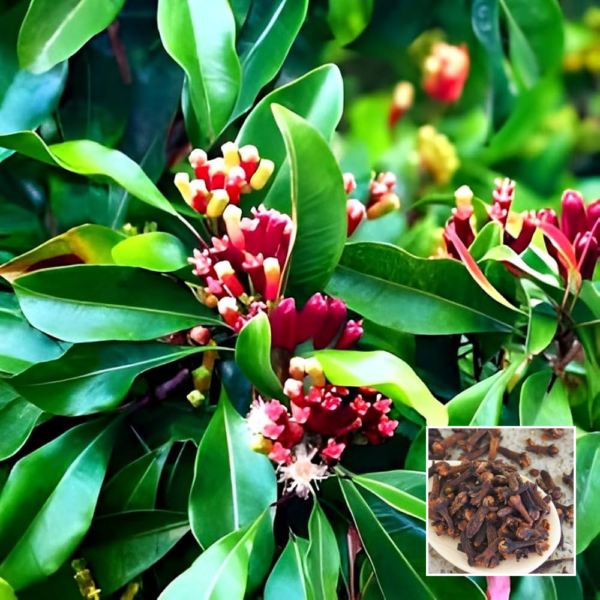
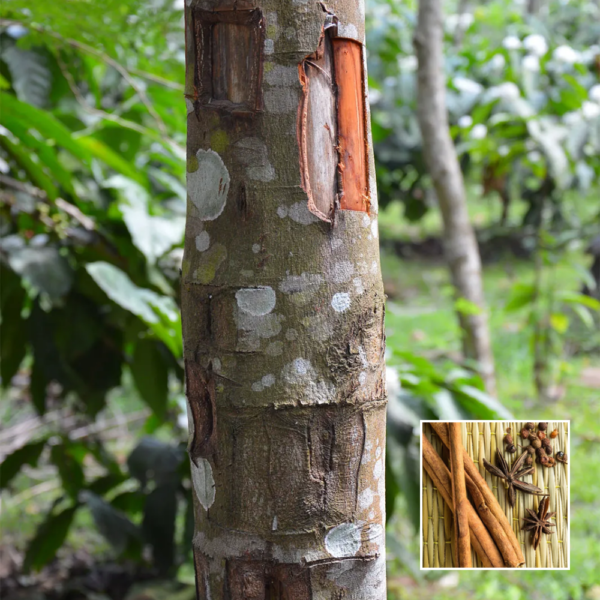
Explore more Spice Plants from Green Glow Nursery, including the Clove Plant (Long) – Grafted and All Spice – Grafted Plant.
What's inside the Box?
- 1 live plant, root ball intact
- Nursery bag with growing media
- Care and planting instructions
You may also like
 26% OFF
 17% OFF
 33% OFF
 43% OFF
Reviews